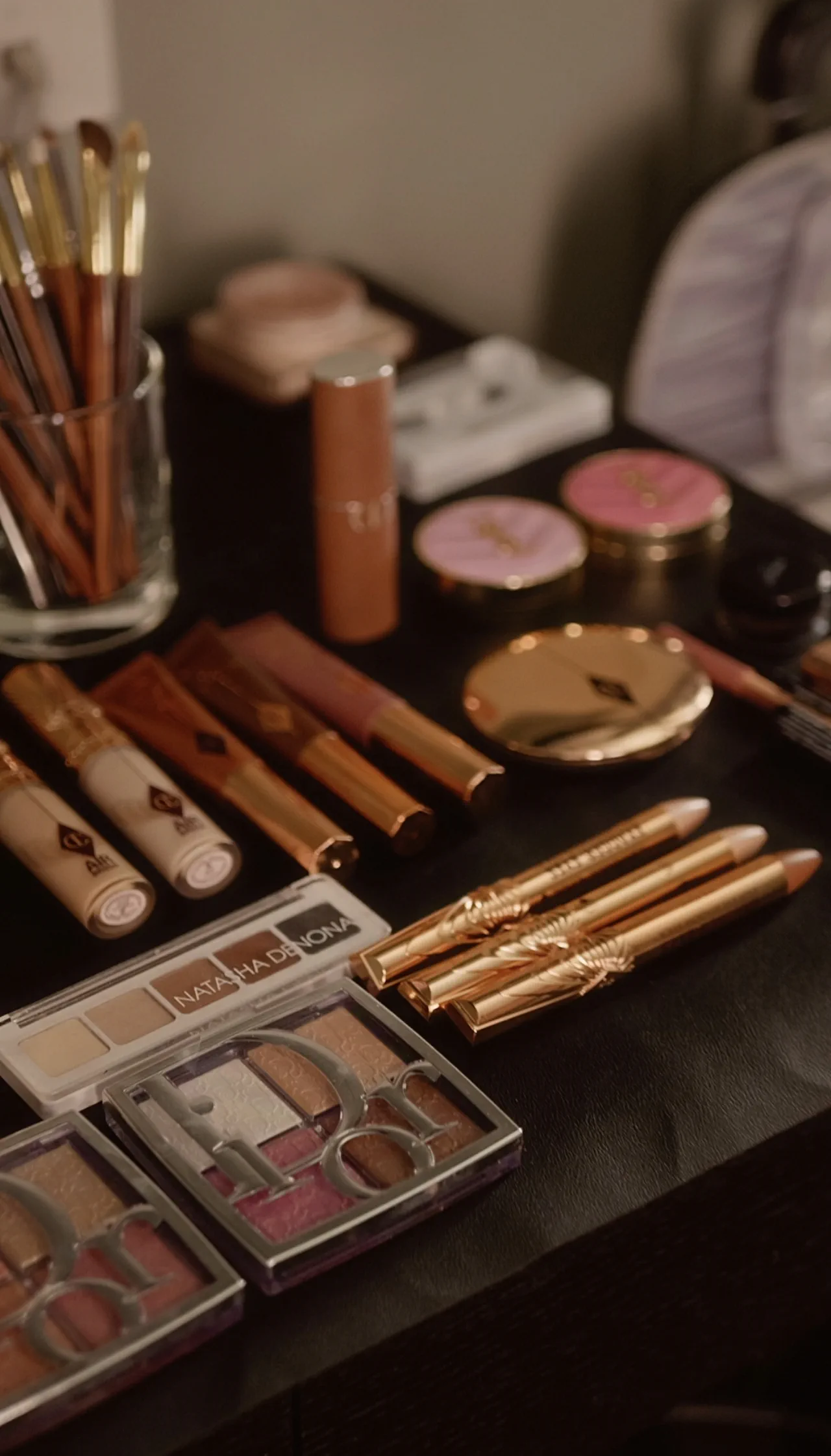

Most brides choose a makeup artist by looking at her work. That makes sense, but there is one thing photos never show: how she looks after her kit. I have seen some professionals put mascara straight onto a client's lashes and then dip the wand back into the tube. The same happens with lipstick.
Why makeup artist sanitation matters as much as the result
A mascara wand touches the eye, and a lipstick touches the mouth. When they go back into the tube, they carry whatever was on that person's eye or lips into the product. The next client gets the same product. If one of them is starting a stye or a cold sore, she can pass it on to the next person, and that is a health problem.
On the wedding morning this matters even more. One kit is used on the bride, her mother, her sisters and her bridesmaids.
The products that should never touch the bride's skin directly
Mascara and lipstick should never go straight onto anyone. Neither should a sponge or a powder puff that has already been used on another face.
Do makeup artists use the same lipstick on every bride?
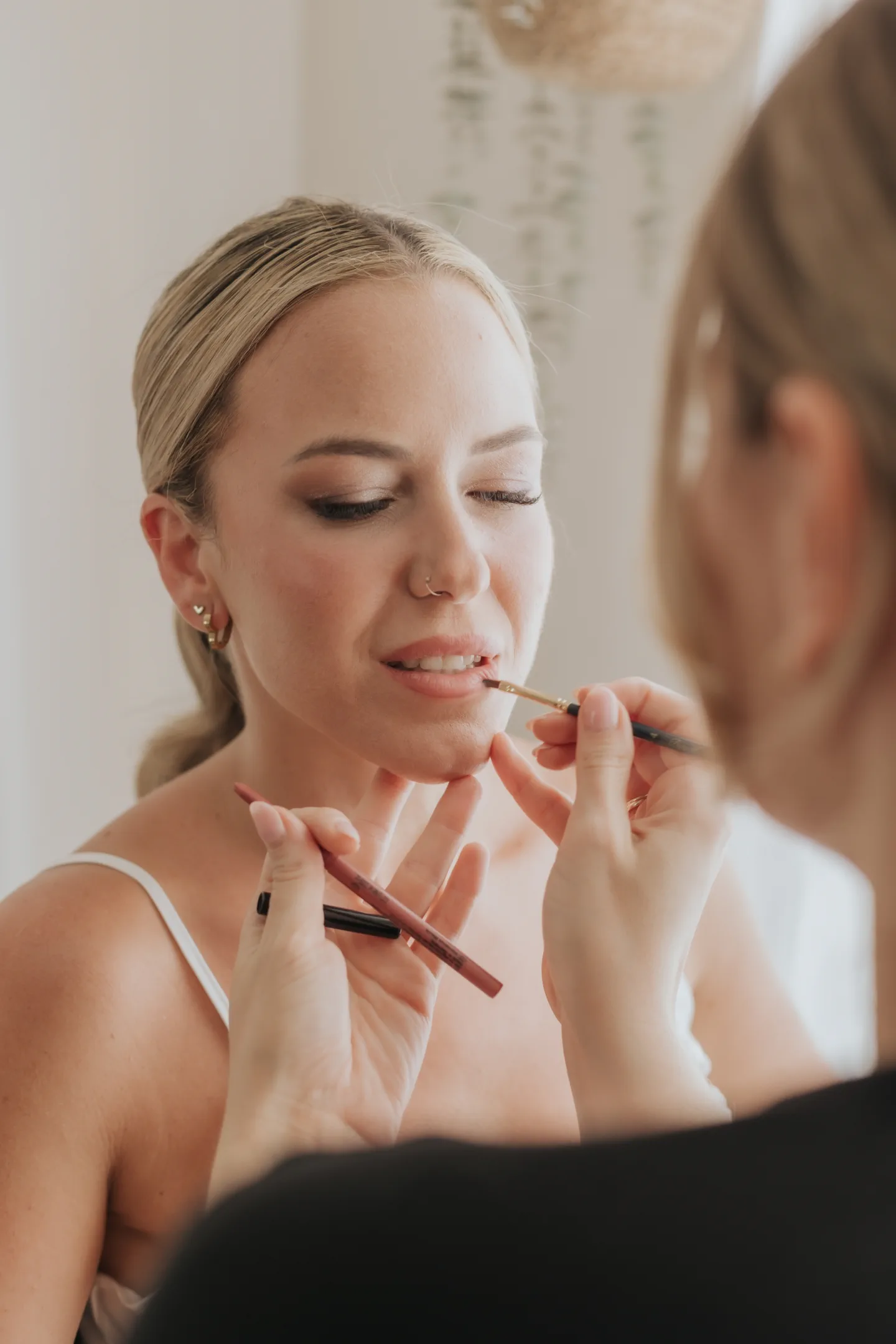
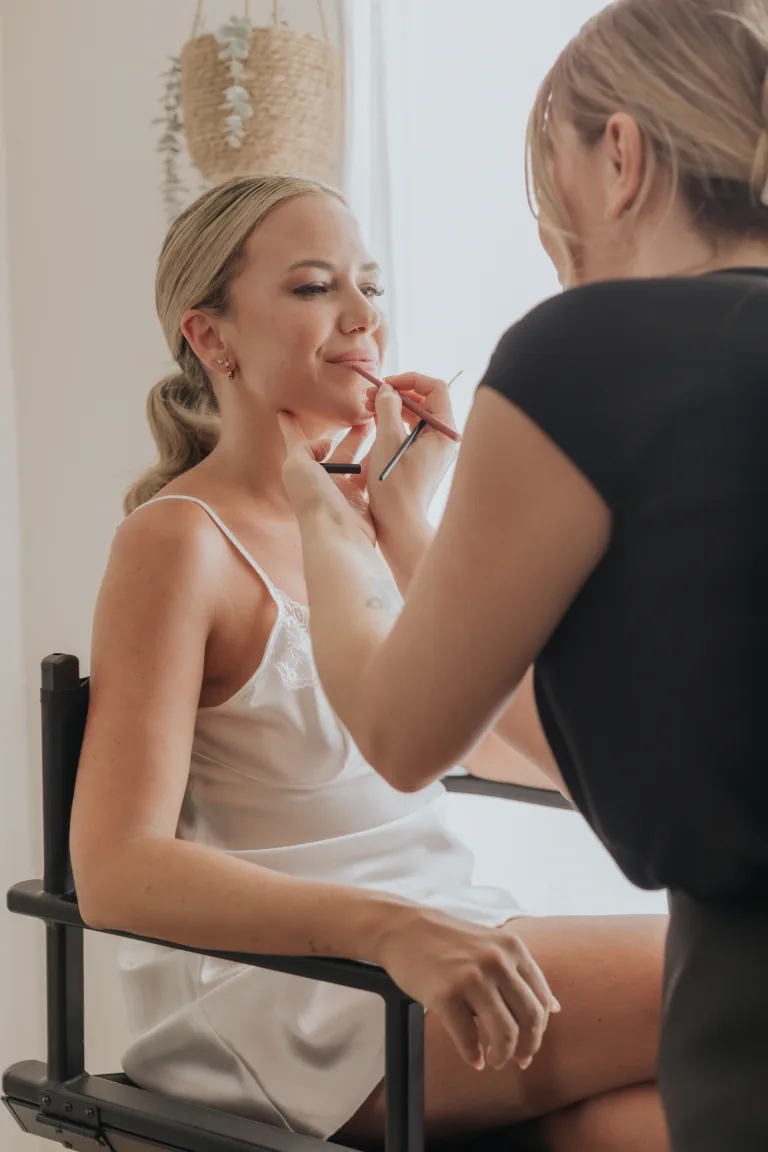
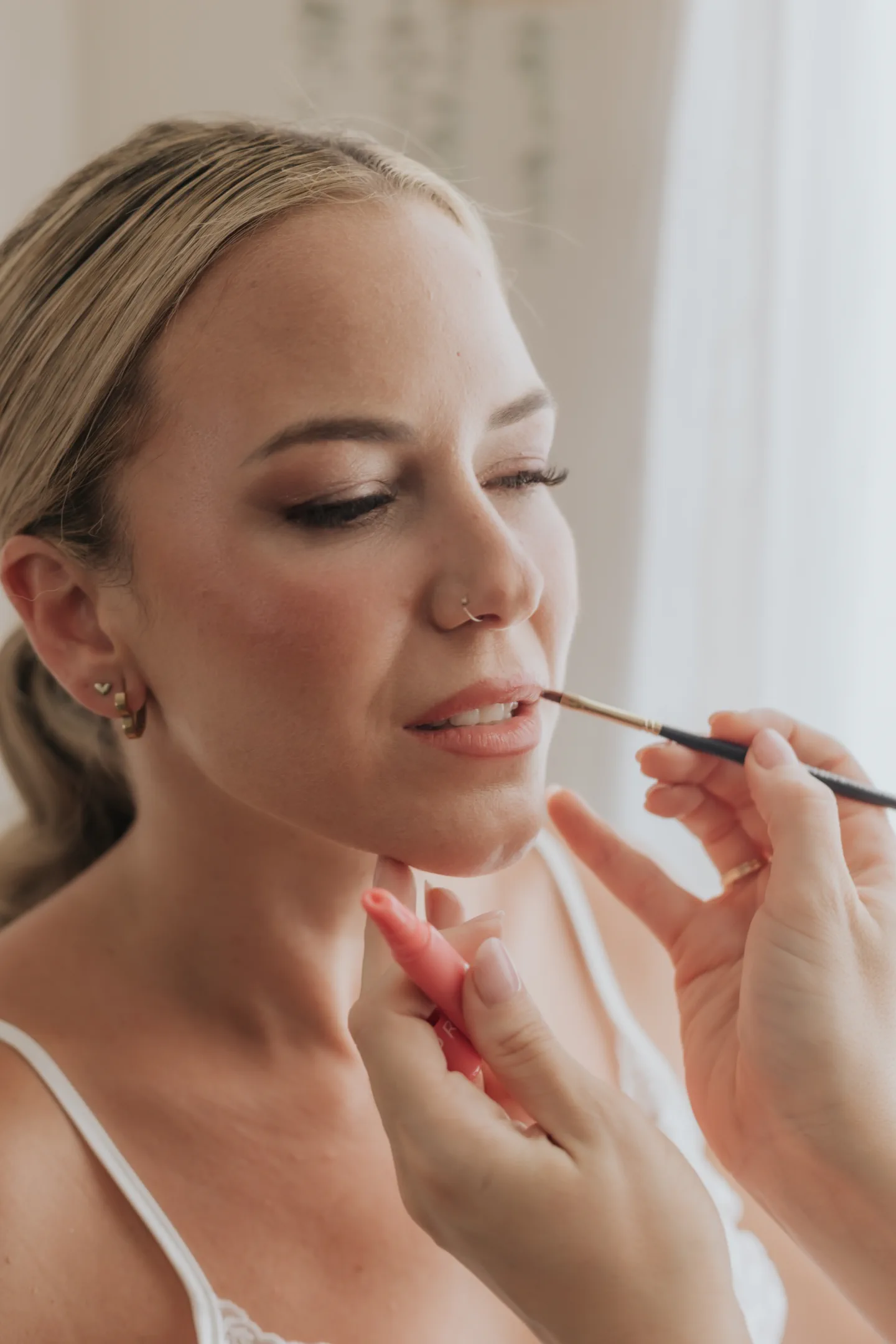
Yes, as long as the lipstick never touches anyone's lips. I take the colour out with a disposable applicator and place it on a stainless-steel palette. I work from that palette and never touch the lipstick itself again. When I finish, the applicator goes in the bin. I do the same with mascara: everyone gets a fresh disposable wand.
Single-use tools
When I do wedding makeup, anything that touches the eyes, the lips or the skin and cannot be disinfected is used once and thrown away. That means disposable mascara wands, sponges and powder puffs, lip and eyeliner applicators, and the cotton buds I use to define lines. False lashes are single-use too.
How makeup brushes, palettes and combs are cleaned
Brushes are cleaned and disinfected between clients, every time they are used. Makeup palettes, both powder and cream, are disinfected with isopropyl alcohol. Every product in the kit goes through that alcohol, and the case they are kept in is cleaned as well.
Hair tools follow the same rule. Brushes are cleaned, and combs are disinfected with alcohol.
There is one more habit I often see in some hairdressers: holding the hairpins in their mouth while they work. It is very unhygienic, because each pin goes from the hairdresser's mouth straight into the bride's hair. Ideally, pins are opened by hand or with a small tool made for the job, never with the mouth.
Why the bride's skin is cleaned before any makeup goes on
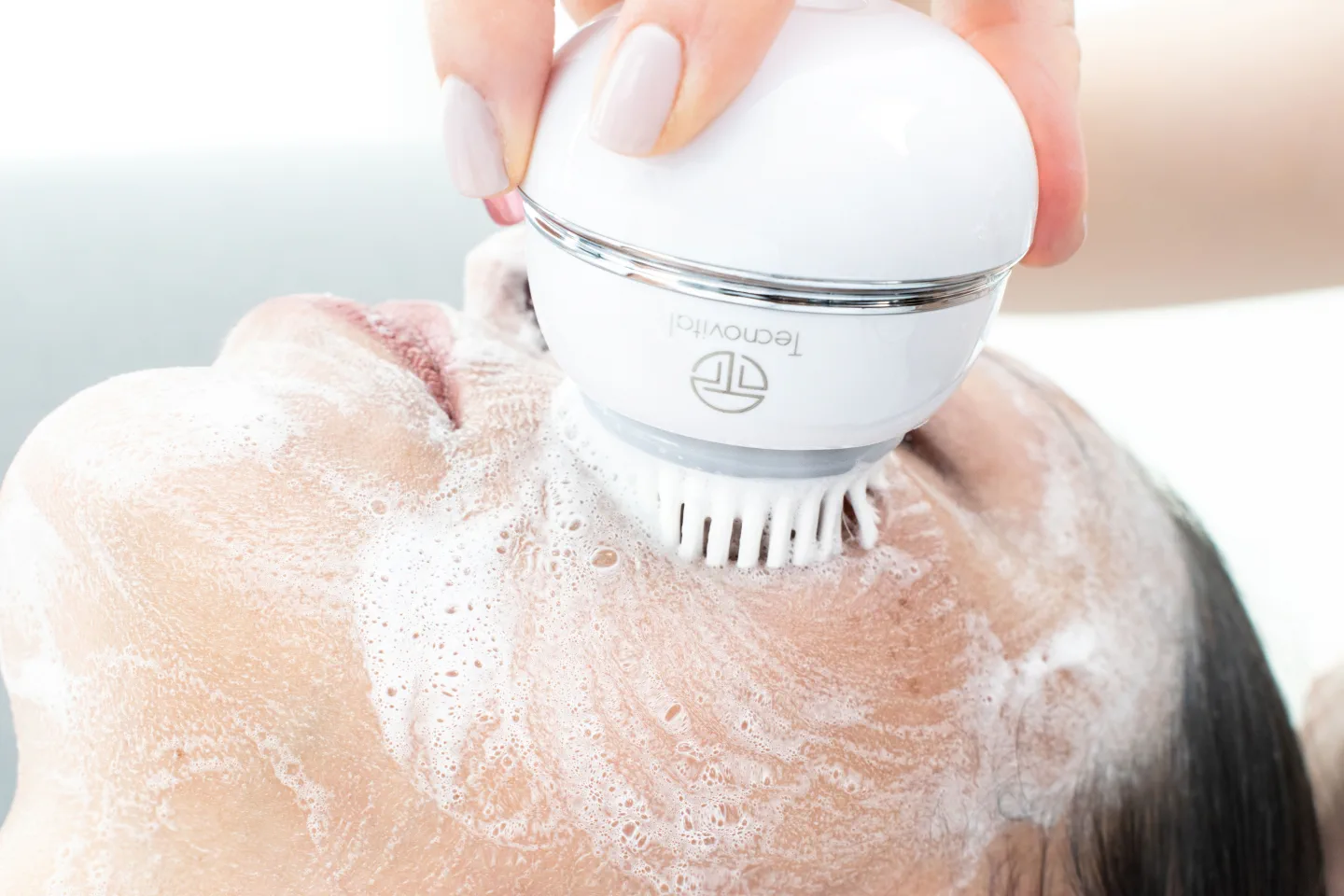
Hygiene is not only about the kit. The client's skin has to be cleaned before starting too. Even if she arrives with a freshly washed face, it is normal to have a little sweat from the heat or from walking over. If the makeup goes straight on, it goes on top of that sweat.
So before any makeup, I cleanse the skin, moisturise it and prepare it properly. That clean skin is what I work on.
How to check a makeup artist's hygiene at the trial
How can I tell if my wedding makeup artist is hygienic?
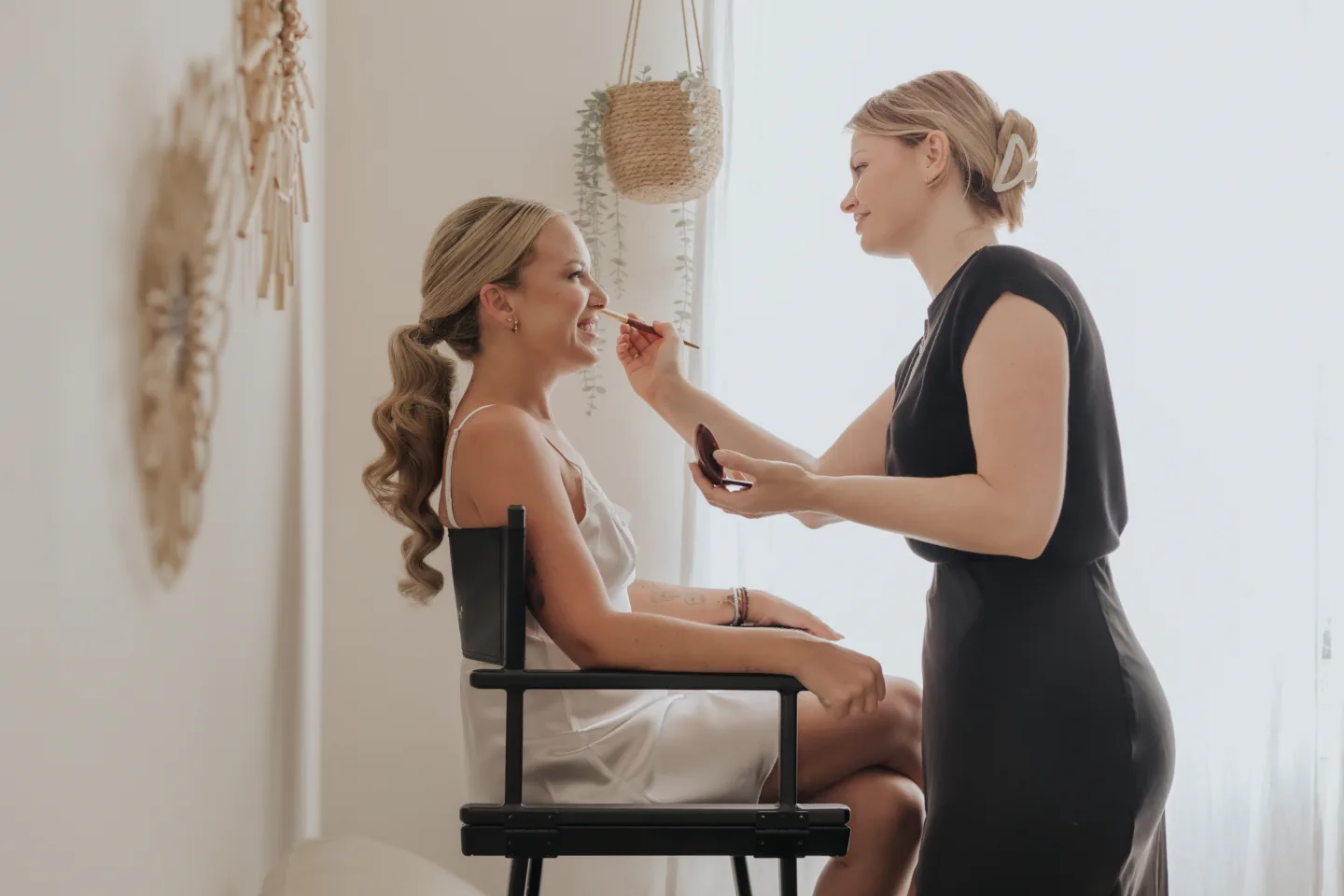
At the trial you spend a good while sitting in front of the kit, so there are four things you can watch for. Whether your skin is cleaned before anything starts. Whether mascara and lipstick go on with a disposable wand or applicator. Whether the sponges and powder puffs are new. And whether the brushes are clean, with no traces of someone else's makeup.
Sponges, powder puffs and brushes matter most. They are easy to see, so they are easy to check.
If you have any doubts, I always encourage you to ask. How the kit is cleaned is as normal a question as which brands I use. Never keep a doubt to yourself: in the end it is your skin, and you need to feel sure.